Psoriatic Arthritis, Motherhood & Finding Your Voice: Julie Croner's Patient Advocacy Journey

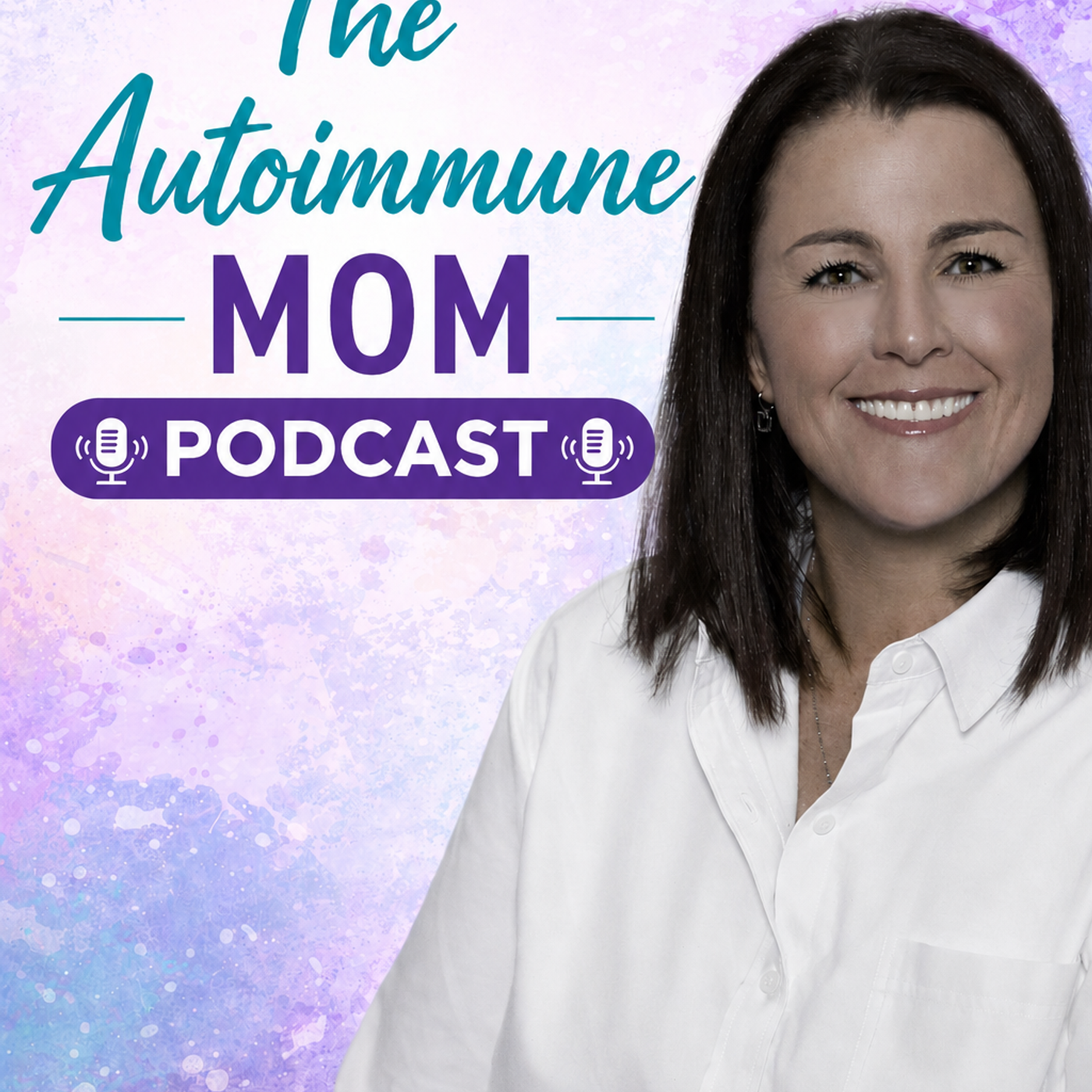


A diagnosis can derail your life, your career, and your confidence in your own body—but it doesn't have to define your future.
Julie Croner shares her journey from childhood joint problems and years of uncertainty to a life-changing psoriatic arthritis diagnosis in her 20s. Along the way, she faced avascular necrosis, complex regional pain syndrome (CRPS), melanoma, chronic pain, and a period of disability that left her struggling with her independence and identity.
Julie explains how tracking her symptoms like a data analyst helped her identify personal triggers, advocate for herself with doctors, and reclaim a sense of control over her health. With the help of her mom's legendary medical binder and an online community, she went from feeling alone to building a career centered on patient advocacy.
We also get honest about the challenges of living with autoimmune disease while navigating relationships, fertility concerns, pregnancy on biologics, breastfeeding, and raising four children. Julie shares the fears she faced about passing autoimmune disease to her kids, how she navigated her youngest daughter's life-threatening medical crisis, and why flares can sometimes arrive after the storm has passed.
This conversation is a reminder that bad days don't equal a bad life—and that a diagnosis doesn't erase your worth or your ability to build a meaningful future.
In this episode, you'll discover:- How Julie's childhood symptoms and knee surgeries eventually led to a psoriatic arthritis diagnosis
- Why her mom's medical binder helped connect the dots
- How an online autoimmune community changed her sense of isolation
- What six months of tracking food, sleep, pain, activity, and other symptoms taught her
- How she used data to have more productive conversations with her doctors
- What it's like to navigate fertility, pregnancy, biologics, and motherhood with autoimmune disease
- How Julie turned her lived experience into a career in patient advocacy
Julie works with Health Union and the Social Health Network, helping connect patient leaders, caregivers, and healthcare communities and amplify patient stories.
Whether you're newly diagnosed, struggling with chronic illness, considering pregnancy, or learning to advocate for yourself, this episode offers practical insights, honest conversations, and hope for the road ahead.
Timestamps00:00 – Introducing Julie's autoimmune journey
00:52 – Childhood symptoms, knee surgeries, and psoriatic arthritis
01:44 – Severe illness, chronic pain, and losing independence
02:39 – The “mom binder” that helped connect the dots
05:32 – Avascular necrosis, CRPS, melanoma, and treatment challenges
06:57 – Finding community through SpoonyChat
07:55 – Six months of symptom tracking and identifying triggers
08:50 – Using personal data to advocate with doctors
09:46 – Turning lived experience into patient advocacy
11:30 – Health Union and the Social Health Network
16:56 – Dating, relationships, and fears about being lovable
23:00 – Pregnancy, biologics, and breastfeeding
27:24 – Managing autoimmune flares while raising four children
29:02 – Her youngest daughter's medical crisis and delayed flares
34:15 – Fear of passing autoimmune disease to children
36:01 – Food, inflammation, and identifying personal triggers
39:40 – Advice for women with autoimmune disease who want a family
40:57 – Strength, faith, and accepting what you cannot control
42:43 – Why sharing your patient story matters
45:07 – Where to find Julie
Connect with Julie: Learn more about her patient advocacy work through Health Union and the Social Health Network. https://www.instagram.com/itsjustabaddaynotlife/
Julie Croner: it's just a bad day, not a bad life. It may be a string of very bad days, but
Ali: I love that. Yes.
Julie Croner: just because those bad days doesn't mean your life is, you know, over that you can't throw.
Ali: Exactly.
Julie Croner: I remember being in the hospital when the doctor said, you know, you still have psoriatic arthritis. And she was like, I think I'll start you on, a biologic. and I remember like, Yeah, give me whatever. Give me whatever is gonna help
Ali: Yeah.
Julie Croner: me. And my dad was like, Well, wait a second, how is that gonna impact her health? Like, is she gonna be able to have kids in the future? she was like, Well, you know, you're not really supposed to be on them when you're pregnant and things like that. So my dad actually was the one that brought it up. I was like, give me whatever will work. it was really the patient community that drove me to be a driver in my health that just completely transformed my life because I was able to get my inflammation under control. I just realized that there was this whole patient community online that once I got back to living my life, like I didn't want to just go back to IT consulting. I actually wanted to do something in that realm. And because of that, I have built this whole career. on helping amplify other patients' stories and helping connect them with healthcare companies
Ali: Hello everybody and welcome back to the Autoimmune Mom Podcast. Today I have a very special guest here. her name is Julie. She's out of Pittsburgh area and she has a story for us, y'all. See, I've been in South Carolina now for seven years, so I say things like y'all. but that's not something that I used to say. So here we are. Anyways, Julie, thank you so much for being here. I cannot wait
Julie Croner: Yeah.
Ali: to hear your story. It is layered and fascinating and difficult in it to say the least. So Welcome.
Julie Croner: Ugh but so rewarding in the end. Yes, thank you.
Ali: So good. Yes. That's what we're here for, to share the stories of yes, it's hard, but we would do it no other way. This is just
Julie Croner: Absolutely.
Ali: the life we live and we're we're grateful for it. So let's start with who you were prior to diagnosis and what le like diagnosis looked like for you.
Julie Croner: Sure, sure. So I have to take you back many, many years ago into elementary school. because I, you know, I had hi health issues when I was young. I had my first knee surgery at in fifth grade and then always had issues throughout middle school and high school, surgeries and therapy on crutches, things like that. So a doctor at that point had told me they thought I potentially had psoriatic arthritis, but there was no test. And biologics were just hitting the scene. So there was nothing to treat an adolescent at that time. So it was a diagnosis that I just didn't accept at that point. And I remember my mom and I used to fight so much because she'd be like, Julie, you have arthritis. And I'm like, I'm not a grandma. I don't have arthritis. It's not, that's not me. I've since apologized for all of the fights that we've had. but I was, you know, I was a 20-something. living my life, working, traveling all over and it just it hit me hard. It hit me so hard to the point where I had to step away from work. I was on disability for three and a half, almost four years. And I just went from living this go, go, go, go, go lifestyle to laying in my parents' basement in a bed, not being able to move, which was soul crushing to a twenty seven year old when everybody else is out there living their life, getting married, having having families, and and I just like the thought of brushing my teeth every day made me want to cry because I didn't want to use my hands or I didn't have the energy to get out of bed to do just simple tasks.
Ali: So when you went to the doctor, was it a quick diagnosis? 'Cause you had kind of knew when you were younger and a lot of people
Julie Croner: So
Ali: struggled to get the diagnosis.
Julie Croner: Yes and no. So I we I had that rheumatologist in middle school that had mentioned the psoriatic arthritis. and my mom was amazing because she ever since I was little documented every doctor visit that I went. I have this hu I have two huge binders of Julie went to the doctors today, she had an ear infection, she's on ammoxicillin. Julie had this, Julie had that. So I actually was going through a lot. I my knee kept blowing up and I kept going to the orthopedic because I didn't necessarily realize it was this you know, systemic rheumatological issue. And it was after like two or three surgeries, he was like, I think you should go see somebody else. Like something else is going on. I actually ended up in the ER because my knee was so swollen. I was in so much pain. My mom brought up the psoriatic Diagnosis and they were like, yes, yes, yes, yes, that's exactly what you have.
Ali: Mm.
Julie Croner: so I mean, technically, I guess you could say that I got a diagnosis easy, but it was like 17 years of kind of in and out, like, do
Ali: Yeah.
Julie Croner: I have it? Do I not? But what was really interesting is that after the fact, in trying to regain my health, I sifted through those binders that my mom had had kept. And it was like I could could easily connect all of the dots and it painted this perfect picture of like, yes, this is exactly what it is. and you know, I it's interesting because, you know, you have knee pain, you go to an orthopedic, you have this pain, maybe you go to your primary doctor and like everybody isn't looking at the whole picture. Like I go to the dermatologist, she wasn't putting in, you know, the psoriasis part of it. But when you kind of stepped back and looked at all the dots, it was like, yes, that's exactly what is happening here. Yes. Yep.
Ali: Obvious, obviously. Yes, yeah. It's so interesting because this is not the first time that the mom binder has come up and how
Julie Croner: yeah. Really?
Ali: how detailed mothers are when their children are sick. They don't
Julie Croner: Yeah.
Ali: miss a thing. They I actually interviewed a doctor, an ER doctor, a pediatric ER doctor for 20 years, and she said these people would come in. A lot of the kids that go in there are very sick, have been sick
Julie Croner: Right.
Ali: for a long time. She's like, they come in with white binder. She calls it the white binder effect. Like, and they would just all have every she's like, I just always trusted them. If they told me that they thought their kid had pneumonia, then that's what we were going after because they all
Julie Croner: Yeah.
Ali: they knew their children. And I often think, how amazing would it be if we had tackled our own health the way that we tackled our children's health?
Julie Croner: He Right. I know.
Ali: But we don't because moms come last.
Julie Croner: we come last. Yes, absolutely. Absolutely. Yes. Yeah.
Ali: We come last. And like another binder. I'm another I'm sure we'll get to your part of your story there too. But so now you're twenty seven years old, you've accepted your diagnosis. Right.
Julie Croner: Yes. And when I so I was officially diagnosed with psoriatic arthritis, I also had several other things going on. So part of my femur bone died. It's called avascular necrosis. So I couldn't actually walk on my leg for three and a half years. because of that and just such a surro psoriatic flare I was in, I developed complex regional pain syndrome in the left side of my body. That just caused horrible panic attacks. Like I couldn't even Like if I had to go to the doctor, I had to start getting ready the day before. Like I just didn't want to leave my house, which was so not like me. I was obviously very depressed. and then I was diagnosed with melanoma too. And that's it. So it was like every little thing was like, every time I would try to like come up for air, it was like something else. and every time I would go to the doctor, it would just be like, take this pill, take this pill, take this injection. At some at one point I was on two different injections, nine different pills. It was just like I was taking pills for side effects of pills. Like it was just too much. Like it was too much.
Ali: Crazy. Mm-hmm.
Julie Croner: and at that point, I had always loved social media. and I could not go on Facebook or Instagram because I didn't want to see all my friends living their lives. Like it just I was such in a deep dark place. Like I just couldn't do that. So I turned to Twitter, which I had never used before. And miraculously I found this Twitter chat. It was called hashtag SpoonyChat. And I think it was on Wednesday nights. And I remember I got to a point where I started looking forward to this chat every week because it was people who were in similar situations coming together and just talking about how they needed support or what they should do or how should they act asked their doctor. And a lot of them were from the autoimmune community, all different conditions. And it really helped me put into perspective that. Yeah, I was going through this, but there were so many other people that were actually going through this as well. And I just didn't know any of them in my day to day life. and that just like it opened up a tirely new world for me that I started connecting more with patients online and they started telling me like, hey, you can't just like you have to be a driver in your own health. Like, yes, listen to your doctors, but participate, ask questions, bring bring things to them. So I started doing so much research on. You know, what what are things that I could control in my own life that could help my health? So I had been to that point for the previous five years an IT consultant. So I went back to my all IT consultant ways and I tracked everything. For six months, I tracked what I ate, how I slept, what my pain level was. I made my own pain level scale, who I interacted with, if I left the house, how many steps I took in a day, like literally everything I could. And then at the end of that, I did all this analysis, which back then now knowing like what AI could do, I'm like, my gosh, I wish I would have had an AI
Ali: Hey.
Julie Croner: engine to like throw all that in. But like I deduced it all and came up with and I and I figured out all of these triggers that were really impacting the way that I was feeling every day. So I made all these by par pie charts and bar graphs and like
Ali: my gosh.
Julie Croner: I s I made packets for all my doctors and I sent them all to them. I wish I could have seen their the looks on their face when they like opened them up. I gave mine to my rheumatologist because we had a really good relationship. We still have, yeah, we still have a good relationship. But she was like, Okay, like what am I supposed to do with this? And I'm like, listen,
Ali: Yeah.
Julie Croner: I I know this isn't the full story, but like this is what I have figured out that if I stay away from these things, or like I do this or do that. It helps me. And honestly, like to this day, she still brings up the fact that I did all of that. And like she'll say, like, I was mentioning to another patient, like, you should look at this and that and and everything. So it was really the patient community that drove me to be a driver in my health that just completely transformed my life because I was able to get my inflammation under control. I was still on biologics, I was still on medication. So I don't want to say that like that did help me because it absolutely helped me like me get everything under control. but I just realized that there was this whole patient community online that once I got back to living my life, like I didn't want to just go back to IT consulting. I actually wanted to do something in that realm. And because of that, I have built this whole career. on helping amplify other patients' stories and helping connect them with healthcare companies and helping them you know figure out the best way to share their stories and and things like that. And so so all in all, like I would never have chosen to be sick or have a have a condition, but it really totally changed the trajectory of my life. Like I have built now a beautiful career that I never would have had I not had that horrible flair like in my twenties.
Ali: I think it's so beautiful that you can when people turn these very difficult things into something
Julie Croner: Yeah.
Ali: positive for not only themselves but for other people. Like
Julie Croner: Other
Ali: it's so it's really a beautiful thing and it's not something I don't think you can do early in your diagnosis. Like you have to get everything under control and you have to grieve the person you thought you were gonna be and you have to like kind of have a new plan for what your life can still look like.
Julie Croner: Yes, yeah.
Ali: and be all this and then for me it was like, well, I can't just sit on this. You know, but this
Julie Croner: Right.
Ali: is kind of a there's there's people out there really suffering and
Julie Croner: Yes.
Ali: it can be a very negative place as you were saying, you know, and you're trying to get control back. And so I just think it's really beautiful that that you've done that. What what exact how exactly do you do that? What what exactly
Julie Croner: Yeah.
Ali: do you do?
Julie Croner: Yes. So after the the community really helped me regain my health, I was able to get back to work. And at that point there was a company called Weigo Health and they were a network of patient leaders, so patients, caregivers, HCP is really amplifying and like using their story to to make change. And I joined them and I helped We built up a community of over over a hundred thousand of these patient leaders. So individuals who are on social media or maybe they're going to the hill or they've been an author or they've done all of these things. and we created resources for them, connected them with healthcare companies that wanted their their insights. We also created like an influencer marketing product that we could utilize real patient stories in. And then in 2021, we were acquired by Health Union. So I work for Health Union now and we still have that network. We've rebranded it. It's called the Social Health Network now. we have a certification program that you can go through. It's totally free. takes about eight to ten hours to go through the content, but it really teaches you how to hone your story in, how to change it for different audiences, how to build community, and then all the regulatory aspects of being a responsible patient leader. So you can come and do that. We have an awards program every year. and then one of the wonderful things about Health Union is jo joining that company was that we also have over 125 different condition specific communities. So we have like plaquesoriasis or mycenaeus gravis or you know, lupus, and you can come, all the content is created by patients and caregivers. There's forums, there's resources and everything. So I just it's so funny because Had you asked me 10 plus years ago, like, what are you, what are you gonna be doing in 10 years? This is not what I would have thought. but
Ali: Yeah. Yeah.
Julie Croner: I'm so entrenched in all of the patient communities. And it's just like, I I'm so passionate about learning people's stories and sharing them and like connecting them. I just, I just absolutely love it.
Ali: Well, you can see it. It's like radiating out of you. Like you you have a passion for this. You found your calling. And you know, it makes me excited because I've never heard of it. So now I'm like,
Julie Croner: Ugh, I do. I did. Yeah.
Ali: let's let's get into it. I wanna I wanna know w where can I where can I sign up? So let
Julie Croner: Yes, right?
Ali: how can we point people towards it? You got a website?
Julie Croner: Yeah. So definitely go to socialhealth network.com. check it out.
Ali: Social Hug.
Julie Croner: Yep. Social health network.
Ali: Okay.
Julie Croner: Yeah. and there's content on there, there's forums. we just ran the social health awards, we crown 10 health leaders every year who are just doing some fabulous work in the space. that typically runs in the summer, so that just just finished, but the
Ali: Finished.
Julie Croner: certification programs open all the time. You can always go and sign up. but you know, you said something that struck me. So having run this the w a awards program for the last 10 years and just being in this community, I've definitely seen like what sets someone apart from building just awareness and really like making an impact, making a legacy in this space. And you mentioned like it's not something that you can do right when you're diagnosed. And and I Have really been thinking a lot lately about how like the delay is a benefit. Like, yes, you have you have this diagnosis and you have this delay in your life of like you have to figure things out, you have to figure out these challenges and overcome. And and and all of that experience then can be challenged channeled into making something or a structure or a foundation or something for someone else.
Ali: Mm.
Julie Croner: and I see that a lot. I see that a lot with a lot of the award winners of they didn't didn't like just decide to do this one day 'cause they wanted
Ali: Right.
Julie Croner: to, right? Like it was like this this challenge that they've come through and then they've built something. so it's pretty special to see.
Ali: I think it's a good lesson f yeah, I think it's a lesson for anyone in any situation is like kind of
Julie Croner: Yeah.
Ali: calm, take a breath, figure this out, and then how
Julie Croner: Yes. Yeah.
Ali: can we turn this into something positive? How can we I I
Julie Croner: Mm-hmm.
Ali: often say not unlike you, like I don't I I'd give rheumatoid arthritis away in a heartbeat, my thy you know, like I don't I don't want
Julie Croner: yeah. Yes, please, take it.
Ali: it. It's not fun, especially right now I'm in a flare, like I really just don't want it.
Julie Croner: Sorry.
Ali: But I've met and grown and seen and Done things that I would never, ever, ever have done
Julie Croner: Right?
Ali: if it weren't for the rheumatoid. So like I I can have some gratitude, like the silver
Julie Croner: Yes.
Ali: lining of the dark cloud of rheumatoid for it. and that's kind of my mission is to like give people who are newly diagnosed hope that you can get there too. Like it's with
Julie Croner: Absolutely.
Ali: we can we can all agree that it's not fun and it's not great. And we would give it, you know, I'm not saying that. I'm not trying to push off the reality of living with these diseases. diseases. but
Julie Croner: No, no. No. And and honestly, you have to. You have to grieve. You have to feel it. You have to be in your emotion. Like you're allowed to feel that way and you should. I always say it's just a bad day, not a bad life. It may be a string of very bad days, but
Ali: I love that. Yes.
Julie Croner: just because those bad days doesn't mean your life is, you know, over that you can't throw.
Ali: Exactly. So let's talk about going back to a little bit about your family life. So you
Julie Croner: Yeah.
Ali: you now you're twenty someth seven. I was twenty nine, so our stories are aligning.
Julie Croner: yeah, it's very similar. Yeah.
Ali: and I was just about to get married. So were you you
Julie Croner: Hmm, mm.
Ali: always knew you wanted to have children? Like how did the ch I I like to share these stories for the newly diagnosed people who are thinking of having children but are scared because of their condition.
Julie Croner: Yeah. Absolutely. So I remember being in the hospital when the doctor said, you know, you still have psoriatic arthritis. And she was like, I think I'll start you on, you know, a biologic. and I remember like, Yeah, give me whatever. Give me whatever is gonna help
Ali: Yeah.
Julie Croner: me. And my dad was like, Well, wait a second, how is that gonna impact her health? Like, is she gonna be able to have kids in the future? And, you know, this was 15 years ago at the at this point. So there wasn't as much out there about biologics and pregnancy and you know, things like that. So she was like, Well, you know, you're not really supposed to be on them when you're when you are pregnant and things like that. So my dad actually was the one that brought it up. I was like, give me whatever will work. but I definitely did always want to have a family. And the thing that really sucked about that that time frame is that you know. I was in my late twenties. I had had a a few serious relationships. And the one that I was in, I thought was like it. Like I thought we were gonna get married. And we did end up breaking up. And I do think a lot of it had to do with my health. And I just remember laying in bed thinking, like, my God, like how am I ever gonna get married? How am I ever gonna have a family? One, I'm on treatments that I don't know, like could I have a family? And two, like,
Ali: Yeah.
Julie Croner: who's gonna love me now? Like who's gonna really want to be with someone who can't even take care of themselves? And I thought that a lot. Like a lot. and I remember at one point even telling my parents, like, I just wish the diagnosis was either like you're gonna be fine or like you're gonna be gone. Cause it was like I don't how how am I gonna do this? You know?
Ali: I've said that before too. It's like I I don't want cancer, but cancer you either beat it or you don't. You don't have to live with this and
Julie Croner: Yes. Yes.
Ali: and you always have the fear of it coming back. I'm not saying all that, but you you d Exactly. I know.
Julie Croner: Right, right, right, right. Like I mean, I feel like an asshole even saying that because there's so much to unpack right. But like
Ali: Yeah.
Julie Croner: but just it was kinda like I this is gonna be forever. Like this is a forever thing. And cancer is forever, so anyone listening, I'm sorry. Yes. But
Ali: I I know. I yes.
Julie Croner: but it I mean it was really it was heavy and then I was on crutches for my my avascular necrosis. I couldn't even walk, like it was just a lot. So it took me a long time, like That I had to sit with that and work on myself and be okay with it. like for me. and it took a lot of soul searching and meditation and quiet and but I did get there. I finally did get there and I did start going out on dates again. you know, I definitely used match and Tinder, like all those things, right?
Ali: Yeah.
Julie Croner: And I would show up on my crutches and some people were accepting of it and some people weren't were not accepting of it. And you know, that I wasn't supposed to be with them. And I I remember when I did meet my husband, I kept saying, like, I used to do this, and I used to do that, and I used to do this, blah, blah, blah. And he was like, I don't care what you used to do. Like, I care about who you are now. And that's who I like. Like, that's who I don't I don't like think you have to compensate for it. So he was like. The first one that was just kinda like, stop. Like don't worry about it. Like, I like you for you. Yeah.
Ali: Yeah. It's good. Yeah.
Julie Croner: And that gave me a lot of
Ali: You know, he probably used to do some things you don't want to talk about, you know. I know my husband did. but I think
Julie Croner: Right. Yeah. Yes. Yes. Ugh Well and the the funny thing too is like I at at one point was so worried that like my husband was gonna have to take care of me. He has more health issues than me now. So like I'm taking care of him.
Ali: it's it's funny how it works. But I
Julie Croner: right?
Ali: think I think part of what what we need to do is like love ourselves again after diagnosis. Because especially if you're single. I I mean I
Julie Croner: Yes, yeah. Yes.
Ali: was I was engaged actually when we when
Julie Croner: wow.
Ali: when I was diagnosed, but I was like, is he gonna still marry me? Like this is not the life we signed up for. We were running marathons together and doing fun like being so physical
Julie Croner: my gosh. Yeah.
Ali: and not and this was like complete railroad track. So
Julie Croner: Yeah.
Ali: but I had to get over I had to love myself again. I mean that's not an easy thing to do when you're in pain. It's it's not, but you can't
Julie Croner: Yeah. No. No. No, it's not at all.
Ali: expect anyone else to love you if you hate you. Yeah. So
Julie Croner: Exactly. Yeah. No, it's so true. So true. I mean, I've always been a very positive person and there were several years there where I was not focused on the positive, but I did I got back there. I got back there. And yeah, it there's there's positives in every day, you know, like even even on my worst day, there were things that I could still be grateful for. and just focusing on those helped me really shift my mindset.
Ali: Well, that's everything. The other day because
Julie Croner: Okay.
Ali: 'cause I am flaring, I was not I was very negative about something and I'm like, I have got to stop. This is ridiculous. I like just 'cause I don't feel good doesn't mean X, Y, and Z.
Julie Croner: Well, but it that is so good though that you noticed that. You know, you were the
Ali: yeah.
Julie Croner: self awareness to recognize that. And that took me a long time to get to that spot to be able to do that. Yeah. Yeah, right? Exactly. I know. I know. But I
Ali: Yes. Well, seventeen years later I've got a little wisdom wrapped around this situation that I live in. so
Julie Croner: rem but then, you know, just going on the whole family thing, like, my husband and I end up getting married. It was like a whirlwind marriage and I got pregnant unexpectedly and I was on medication. And I remember going to my rheumatologist being like, Should I stop? Like, what should I do? And at that point, she said, you know, you could stay on it or you could stop. It's totally up to you. And when I when I took a a step back and I looked at how I was doing, at that point, what I was on, I didn't necessarily think it was helping me so tremendously. Like I was in a really
Ali: Mm.
Julie Croner: good base health-wise. So I actually stopped taking it. But I did sign up for a mother-to-baby study that for, she's eight now. So I don't think I've been doing it recently, but I want to say till maybe she was five, they would contact me asking like how I'm doing, how she's doing, just so that I could, you know, contribute some data to
Ali: Yeah.
Julie Croner: help other women in that situation. But I remember thinking, okay, I'm going to go off this, but How am I gonna feel? Like, how am I gonna feel? And then also once I have the baby, am I gonna be in a flare that I can't breastfeed? and that was something that I really wanted to do. I really wanted to breastfeed. And then I started thinking, well, what if I'm on medication? Am I gonna be able to breastfeed? And I remember getting myself so worked up about that, like so upset. every pregnancy, I've had I have four kids. Every pregnancy I've had, I've been so sick, like just throwing up and pregnancy sick. But knock on wood, not that I'm gonna get pregnant again. I don't know why I'm knocking on wood, but no, thank you. my yeah,
Ali: It's always good to knock on wood.
Julie Croner: right? My arthritis was really good during my pregnancies. Like really I was one of the lucky ones that I feel like I went
Ali: Mm.
Julie Croner: into remission during those periods. And even after the fact, my body did pretty, pretty well. And and it's interesting, like I hear so many women either have like a really easy experience with their autoimmune condition or It like really flares up. And I would love
Ali: y yeah.
Julie Croner: to know more. Like there has to be some hormonal component or something to it.
Ali: It's gotta be something of hormonal, something about your immune system kind of suppressing itself a little bit to so it doesn't
Julie Croner: Right.
Ali: like kick off a baby. You know, like it's you're creating this environment that's friendly for baby, so it's friendly to the whole body. that's kind of how I'd look at it, but
Julie Croner: yeah, yeah. Yeah.
Ali: I d I I was similar. I felt well during my two pregnancies. they were f fourteen months. Not well. No, not well.
Julie Croner: Did you? How did you feel after? No? Yeah.
Ali: In fact, after my first I I I got pregnant r quickly. They're only fourteen and a half months apart. So it but it wasn't a good I had trouble breastfeeding. I was do I take these medic you know, all of the
Julie Croner: Wait.
Ali: am I gonna kill my baby? It's like really I you know
Julie Croner: Or am I gonna give them negative impacts because I was taking this medication? Like how does this impact them? And there what I
Ali: Yes, exactly.
Julie Croner: mean there's still a lot to be studied. There's more now, but like how do you know? How do you make the right choice?
Ali: You just have to like have faith. I don't know how people get through
Julie Croner: Right.
Ali: the this life without faith, but I just I just had to put it in God's hands and say, like, I
Julie Croner: I know. Okay, great. Yeah.
Ali: I have to take these medications. I can't pick her up. I c I have to do something.
Julie Croner: Right. My sister in law has anglosynphondylitis and she's
Ali: Mm.
Julie Croner: told me so many times like whenever her children were little, like her basically like army crawling to their crib because she was in
Ali: Yeah.
Julie Croner: so much pain and it's it's so hard because then you're running on no sleep, your body's
Ali: Yeah.
Julie Croner: already weared down, and then you're dealing with this and there's someone that you have that you have to take care of. They can't take care of themselves. It's hard.
Ali: They cannot. They cannot. I I have a similar story. I was like had w a baby and now they're one's a one year old and the other one's an infant
Julie Croner: Yeah.
Ali: and I was kinda like scooching down the stairs to get them breakfast in the morning. Like could not, my feet and let knees were killing me.
Julie Croner: I'm sure.
Ali: but we got through it. And they don't know any different. You know, they don't remember those. They have no idea, you know, and if
Julie Croner: Right. At that age they have no idea. Yeah. Yeah.
Ali: if they cried for an extra minute, they're they they seem well adjusted. They're fourteen and thirteen now, so they're
Julie Croner: Yeah. Yeah.
Ali: They're fine, but it's hard for sure.
Julie Croner: Yeah it is.
Ali: so now you've had your fourth child, are you you have been in a remission this whole time or not a remission, but like managing it, how's it going?
Julie Croner: Yeah, I have been really this I'll knock on wood felt really
Ali: Yes.
Julie Croner: really well. I you know, I've had s I've had some flare ups here and there. I remember when my daughter was like one, I had to have my d my husband like carry me to the chiropractor 'cause I couldn't put weight on my my leg. And there's been some flare ups, but it has not been like how I was in my
Ali: I think it was.
Julie Croner: twenties. Yeah. Thank goodness. This last year I r had a bad flare up of psoriasis, which is crazy because I Having psoriatic arthritis, I've always had like the the joint component of it and not necessarily like the skin manifestation,
Ali: The skin.
Julie Croner: but this year, poo, it like came out to play. And that was that was hard because I have felt so good and have been on top of things. And I I blamed myself because I know how to I I know there are things in my control. and I know I wasn't doing those because I was like with my four kids, my husband, my career, you know, there were so many things going on. And like,
Ali: Stress. Yeah.
Julie Croner: you know, when I take a step back, and if if I were a friend talking to me, I'd be like, It's not your fault. Like it's not like there are things, yes, you can control, but there are also many things that you can't control can't control.
Ali: Yeah.
Julie Croner: so again, that this year I've been kind of like whacked in the face of like you can only do as much as you can. Like it's easier
Ali: Yeah.
Julie Croner: to be able to manage your health. when you don't have children and a husband to to worry about as well, you know, yeah.
Ali: End a career. Yes. Yeah. And I always find stress to be the biggest trigger. And you know, it's
Julie Croner: yeah. Yes. Yes. Yes. And I mean the so my youngest, she is two and a half. And when she was born, she was she was okay. She she didn't want to eat though. So it was very stressful in the beginning, which all my children were really good, efficient grade eat eaters. But she didn't want to eat. and they kept saying, like, she's probably gonna need a feeding tube and that just like killed me 'cause I'm like, It's my fourth baby. I know how to feed a baby. Like what what is going on? Well
Ali: Again, you did something wrong and now your child needs a feeding tomb. Yeah. No
Julie Croner: Right, exactly. Right, exactly. And she ended up everybody in the house had f the flu. She ended up with pneumonia, she stopped breathing at our house. It was the biggest nightmare of my life. And she ended up in the hospital. She was on a ventilator for two months. her heart went into pulmonary hypertension. We almost lost her several times. Like there's she actually should
Ali: So sorry.
Julie Croner: not be here based off of everything that went happen went through. So I think like stress
Ali: Yes, yes.
Julie Croner: Like, jeez, Julie, why is your body having a psoriatic arthritis flare and you think it's your fault? Like you just Exactly, right? Yeah, exactly. Like, no, I
Ali: Because you drank coffee when you shouldn't have or whatever it is. It's like no, actually it's
Julie Croner: was going through the most stressful thing I've ever experienced in my entire life. so have a little grace.
Ali: And you don't tech I th I find after talking to many women who have these autoimmune diseases who have s children that are ill, it's not in the moment that the flares happen. It's not like it when she was there and in that PICU and you know, like it
Julie Croner: Yeah, yeah.
Ali: it's a year or two later or ten years later or like you have to pay the piper that if you don't deal
Julie Croner: Yes.
Ali: with the s the that trauma that you went through.
Julie Croner: No, you're so right.
Ali: Your body is going to you're gonna pay it eventually. And not that you you know, you you had four kids, you were
Julie Croner: Yep. Yep. Nope.
Ali: busy, you can't just like throw everything down and fall in a puddle and like deal with it. You can't do that. So it's interesting,
Julie Croner: Right. Right. Right. Like you gotta keep everybody moving. Yeah, you're right. Like
Ali: like two and a half years, now the flair.
Julie Croner: Mm-hmm. Yeah, like once she started getting a lot better, it was like, Okay. No, now we're gonna deal with it. Okay, thanks. Yes. Yeah.
Ali: Yeah. We're out of crisis mode kind of. We're out of that immediate crisis and now my my turn to fall apart as the mother. I've seen that happen time and time again.
Julie Croner: Mm-hmm. Yep. Yep. Yeah. Yeah. I think your body just goes into survival mode.
Ali: exactly. She's doing well today.
Julie Croner: She is, she is. She was on oxygen for a year. she still has her feeding tube, so we're still working through that, but she's making so much progress. her little lungs are are damaged, but I think in the end she's gonna she's gonna grow up and, you know, have a
Ali: She's gonna kick ass, yeah.
Julie Croner: a normal life. But it's been a well
Ali: Is the feeding tube related to the illnesses that she had or j was 'cause you said before she wasn't a great eater. Yeah.
Julie Croner: It's a great question, and it's one that I still don't fully know. Like I I look back and I think, was there something already wrong with her lungs at birth? And maybe that's why she was having trouble eating, like because she was getting out of I I don't know.
Ali: Couldn't breathe, yeah.
Julie Croner: but after being on a ventilator for so long, not eating, like she didn't want anything in her mouth. So when she finally came home from the hospital. She was about six months old and she basically was like a newborn. And at that point, like we started trying to put things in her mouth, but she just didn't it took a while to accept it.
Ali: Yeah. Mm-hmm.
Julie Croner: but now, now she's doing great. Like she will eat. She doesn't she does eat. She's just not drinking enough liquid and things like that to sustain her. So I know my hope my hope is that in the next year or two she gets rid of it. And it'll be a thing of the past.
Ali: It's interesting. My nephew had a feeding tube for over a year.
Julie Croner: yeah.
Ali: And so like putting things in his mouth was just he in fact, he's twelve now. and my sister has to remind you have to eat. Like he just doesn't have that
Julie Croner: Yeah.
Ali: I don't he doesn't I don't know if he doesn't feel hunger like we do or whatever, but you know, he's playing
Julie Croner: Like hunger things or something. Right? Right.
Ali: all these sports, he's running around like a crazy person, and and then he like crashes because he hasn't eaten in two days or something, you know, she's constantly
Julie Croner: Yeah. And then there's me who like will never miss a meal. Like I'm not gonna miss a meal. No. Like what? Like I'm already thinking, what are we doing for dinner? I don't know.
Ali: Miss Ameal, that's wild. Exactly. Exactly. but it's just interesting, like that dynamic. When you take something away as simple as feeding from a young
Julie Croner: Yeah.
Ali: age,
Julie Croner: Yeah. Which is which is really f like my first pregnancy, I remember being so worried about feeding my my daughter, my oldest is Emmy. I was so worried about feeding her. And my my biggest concern was was I gonna have a flare and was I gonna be on medication so that I couldn't feed her. And then like fast forward to my last where I was not even not even a thought, and then I
Ali: Yeah.
Julie Croner: can't feed her and like, my gosh. Yeah.
Ali: Doesn't God just have a funny way of
Julie Croner: Yes.
Ali: putting things into perspective? Well, I'm glad she's doing well and you seem to be doing well. So I'm yeah.
Julie Croner: Hundred percent. Hundred percent. She is she yes, we we all are doing wonderful. Everyone is home under one roof and yeah, can't can't wait.
Ali: And how old are your other children?
Julie Croner: So I have an eight year old, a six year old, a four year old, and a two year old. Yeah. So talk about stress, yeah.
Ali: My goodness, you're a busy mama. Yeah, but in all the right ways. This kind of stress it
Julie Croner: Yeah, well, absolutely.
Ali: is like I I recently heard a story of a a woman, and this is, you know, no judgment, it's your decision, but she decided because of her autoimmune disease not to have children. She didn't want to pass it on to them. And I know that that is a big fear for a lot of women. I I've had that fear myself. And anytime my
Julie Croner: Yeah, yeah, yeah.
Ali: kids are like my knee hurts, I'm like, you know, I have
Julie Croner: Yes,
Ali: a panic attack.
Julie Croner: yes.
Ali: but I just c I can't stop thinking about that woman 'cause I mean and maybe she w never really wanted kids in the beginning. It doesn't matter. But I just feel sad that you know
Julie Croner: I know, I know. I mean, w especially with my first, like she has had eczema. Every time she has some, I'm like, my god, my god, you have like you have story acotheris. I know it. I just know it. I know it. And
Ali: Yes, mm hmm. Yeah.
Julie Croner: then I'm like, no, you're projecting, like maybe just
Ali: Yes.
Julie Croner: cut some dairy out of her life and maybe she'll be a little bit better. Like, you know. But you're right. It
Ali: We do the same thing. Go ahead.
Julie Croner: I think it's easy to like what you said about the knee pain.
Ali: Yeah.
Julie Croner: Like my my six year old mentioned the other day, he was like, My leg hurts. I'm like, why? Why is it did you get hurt? Did you fall? Like what? He's like, I don't know. I'm like Let's explore this. Yeah.
Ali: I'm gonna need more information. And then I try not now that my kids are older, I try not to elevate it to like because I don't want them to think that I think that they might have what I have. So now I'm hyper
Julie Croner: Right. Right.
Ali: focused and now I'm like, am I dismissing this too quickly? Am I like, am I, is this
Julie Croner: That's such a good good thought, yeah.
Ali: like a real thing that they're having? And my one
Julie Croner: Yeah.
Ali: of my daughters plays competitive soccer, so she's like, her feet are always hurting. And like, I'm thinking, God, I played, I played basketball my whole life, my feet always hurt. It's like
Julie Croner: Like was it that or was it yeah, yeah, yeah, right.
Ali: but to your point, I do things similar to what you do, and that there are things that I can control to help reduce inflammation and pain and things of that nature. And I have passed a lot of that on to them. Whether they take it and run with it in their adult years, that's on them. But
Julie Croner: Yeah. Right. Yep. Yep.
Ali: we are very aware of our bodies in this family and what stress, foods, toxins, environments do to us.
Julie Croner: Yeah.
Ali: And
Julie Croner: That's the one thing I really hope to pass on to my kids is just being like aware of of that
Ali: Yeah.
Julie Croner: because I love my husband, but like he'll be the first to buy all the junk food and like doesn't think that any of this matters and then he'll be like, my knee hurts or my I'm like, my god. Give me three months and I could have you feeling
Ali: Yeah.
Julie Croner: a lot better with just some really small tweaks, but not saying I can cure but I you know.
Ali: No, no. And it you know,
Julie Croner: There are things.
Ali: it there are things that you can do. There are inflammatory foods, whether you want to admit it or not. And,
Julie Croner: Yeah. Right.
Ali: you know, it's not easy to cut those things out. It's hard. and sometimes you can reintroduce them and not have crazy flares if you have it a little here and there. But I do believe that there is a good mixture of eastern and western medicine that could be the answer for a a lot of people. Yeah.
Julie Croner: I I know. And I know people are always like, How do you keep such a strict diet? And I'm like, honestly, it's easy for me because if I eat something, like I I so years ago I cut out dairy and gluten and th those for me were the best things that I've done. I know if I eat those, I won't be able to participate in life tomorrow. So like it's easy for me. Like I don't want that. I don't want to eat it.
Ali: Mm-hmm. Yeah. Yeah. Exactly. I cut out the same thing years ago too. and I actually went super far extreme and done like really
Julie Croner: Same. I've had peaks and valleys of things.
Ali: almost borderline, you know, eating disorder type thinking
Julie Croner: Yeah.
Ali: with food and I can heal myself and all this kind of stuff.
Julie Croner: Yeah.
Ali: but you're right, like I don't want that pizza. It doesn't look good to me. It looks like a day in bed. I see
Julie Croner: Yep. Yep.
Ali: myself cuddled over in pain over that. I'll just have the cauliflower one over there. That's you know, exactly.
Julie Croner: Exactly. I'm like, just give me that one. Yeah, I agree. I agree.
Ali: so that that part is interesting. But that's all trial and error and things that you have to figure out for yourself. And
Julie Croner: Yes. Yep. Yeah.
Ali: I love what you said about like tea like taking your six months and really d figuring
Julie Croner: my gosh, yes.
Ali: out what those things were. Has any of
Julie Croner: Yeah.
Ali: it ever changed over time? Like have you noticed that some things
Julie Croner: Yeah, there are definitely things that, at my worst, for instance, like if I ate carrots or apples, my hands would swell, which is so crazy. but now I can eat a totally fine. Like I once I cut things out like that and let my body just calm down and reset,
Ali: Your gut healed a little bit enough to be able to eat certain things. Yeah, yeah. I have this
Julie Croner: Yeah. Like enough that I can now I eat them all the time. Yes. Yeah. Yeah.
Ali: have had the exact same experience where I was at one point eating like chicken and broccoli and that was pretty much it.
Julie Croner: Yeah. Like, yeah.
Ali: And now I can, you know, cucumbers were bothering me at one point. So just weird things that you don't think about. but when you dial in, go ahead.
Julie Croner: Yes, yep. Yep. My sister Yeah, my sister has had a similar thing with bananas. They used to give her really bad migraines, but then I don't know, now she can eat them.
Ali: Yeah. It's interesting. It's gotta be like and then I wonder too if hormones play a thing in it for some women. it has to. Just blame everything
Julie Croner: It has to. It has to. Like how is it not? Yeah.
Ali: on hormones.
Julie Croner: Yeah, right?
Ali: perimenopause is a lovely place to be.
Julie Croner: Yeah.
Ali: all right. So can you give us a piece of advice to somebody who is maybe newly diagnosed and wanting to have a family and you know, considering all of that. What what piece of advice would you give?
Julie Croner: Just a bad day, not a bad life. Like take one day at a time. you know, you will get there. A string of bad days doesn't mean that you have a horrible life. And it's gonna take you a little bit of time of figuring out what your new normal looks like. And like we've talked about, you have to grieve it. You have to, you have to. but allow yourself to fall apart and pick yourself back up and control the things you can control. and you're still worthy of an amazing, amazing life.
Ali: I love it. I couldn't agree more. Okay, so here's a question. What surprised you the most about your own strength over this autoimmune journey?
Julie Croner: Goodness. Well, that's a loaded question.
Ali: It is. It's a tough one.
Julie Croner: what surprised me about my own strength? I mean, honestly, I think that I think just how how strong I am, but also that I don't have to do it alone, that I I, you know, I'm someone who you mentioned faith before, and like I have a very big faith. And I know that there are things I meant to carry, but I'm not meant to carry all of them. And those things that I can't carry, I give them up. And I'm like, I know, I know God, you're with me and that you're gonna help me through this. And you know, that every every challenge that I have met. has brought me something good in my life. And it no matter what it has been. and I can't necessarily always see it in that moment, but when I take a step back I can I can really see the good of it.
Ali: I would imagine having gone through necrosa necrosis, all of that
Julie Croner: Mm-hmm. Yep.
Ali: stuff, really only made you a better mom to your daughter when she was like you can't see
Julie Croner: Think so.
Ali: why all these things happen until you see why they happen, or maybe we never do, but
Julie Croner: Yeah, right. Right. Right.
Ali: you know, there's a reason that all of these things happen the way they happen. And
Julie Croner: Absolutely. Absolutely. Yeah. It definitely prepared me to be there asking the right questions. And one thing that my like just network of patients helped me was that when I was in that room with her and she was having, you know, a pulmonary hypertension crisis, I'm like, Jerry, I know, I'm gonna call her. What should I ask the doctor? It's like it w it it was just everything that ha I had experienced up to that point came together and it helped me. Yeah.
Ali: Mm-hmm. Yeah, I love it. well, I love your story and I'm I I love that you share as much as you do, and you're so entwined in the community. And I'm definitely gonna look into that website and
Julie Croner: Yes, definitely, definitely do. I mean, I think that we all have something to share and to help others. You know, even if it's
Ali: Yeah.
Julie Croner: one person that, you know, two in the morning, somebody's searching for help and information online. And if we can just help that one person, it's
Ali: It
Julie Croner: all worth it.
Ali: you're so true. It's so true. That's w the reason I started the podcast in the first place is because in the last well we'll say twelve years, anytime somebody was diagnosed with something in the rheumatoid family, I would get a call from one of their friends or like, Can you talk to my friend? Can you and now
Julie Croner: Yeah. Yep. Yep.
Ali: I've met so many women, mostly
Julie Croner: Yeah.
Ali: women, who are going through these things and especially in the first year, they're just so lost.
Julie Croner: It's hard. Overwhelmed. There's so many th Yeah. Right.
Ali: In the darkness of it. Like, yeah, like really don't know where to go, don't know who to see, don't know what to say. Like, what do I say to the doctor? Because I actually read this thing recently where it's like, if you said to a woman, what's your pain once or 10? A woman's 10 is like, I'm being
Julie Croner: If you
Ali: drawn and quartered, like something that's never happened. And you know, that well, compared to that, a four or two,
Julie Croner: Yeah. Yeah. Yeah. Right.
Ali: but a man is like.
Julie Croner: Yeah.
Ali: The worst pain I ever had was when I stubbed my toe last week and that's my ten. So I'm at you know, like they just it's just different how we perceive things. So and it's hard
Julie Croner: Yeah. Yep. Yep.
Ali: you know, a lot of the questions are what I don't what should I tell my doctor? what about this medication? What about that medication?
Julie Croner: Right. Right.
Ali: so I think medications is a big thing right now. People are scared to death to take them.
Julie Croner: Yeah, yeah, absolutely.
Ali: Yeah.
Julie Croner: absolutely are. I know so many, yeah.
Ali: Yeah. And it's really because we have so much information at our fingertips, which is so good and so horrible at the same time. Yeah.
Julie Croner: Mm-hmm. And so it is. It's it's been so fascinating to see how the landscape has changed over the last like fifteen years. When I
Ali: Yeah.
Julie Croner: first started looking online for stuff, I had to look for psoriasis information and then RA information and kind of put it together. But now if you look, there's a lot of psoriatic arthritis information, which is great.
Ali: Yeah, yeah.
Julie Croner: but yes, at a certain point, too much is too much. Like
Ali: Exactly. Yeah. All right. One last thing. You can give us all
Julie Croner: Yes.
Ali: of your socials so we can find you. yeah.
Julie Croner: Yes. So I'm probably the most active on Instagram. It's just a bad day, not life, is my handle. and then I'm on Facebook, same same name, Julie Croner. It's just a bad day, not a bad life. definitely check out the socialhealth network.com if you are interested in sharing your story or you want to just connect with others who are sharing their story. Just one of the biggest things is like don't recreate the wheel. Like learn from other people that are doing it,
Ali: Yeah.
Julie Croner: you know? and I'm always I always wanna hear people's stories. I always wanna connect, so reach out. Would love to.
Ali: Yes, awesome. Well you've been you've been a gem and thank you so much for being here. And
Julie Croner: Thank you. My gosh, thank you.
Ali: I'm sure we this doesn't end right here for us. We'll we'll be talking.
Julie Croner: No. Definitely does not.